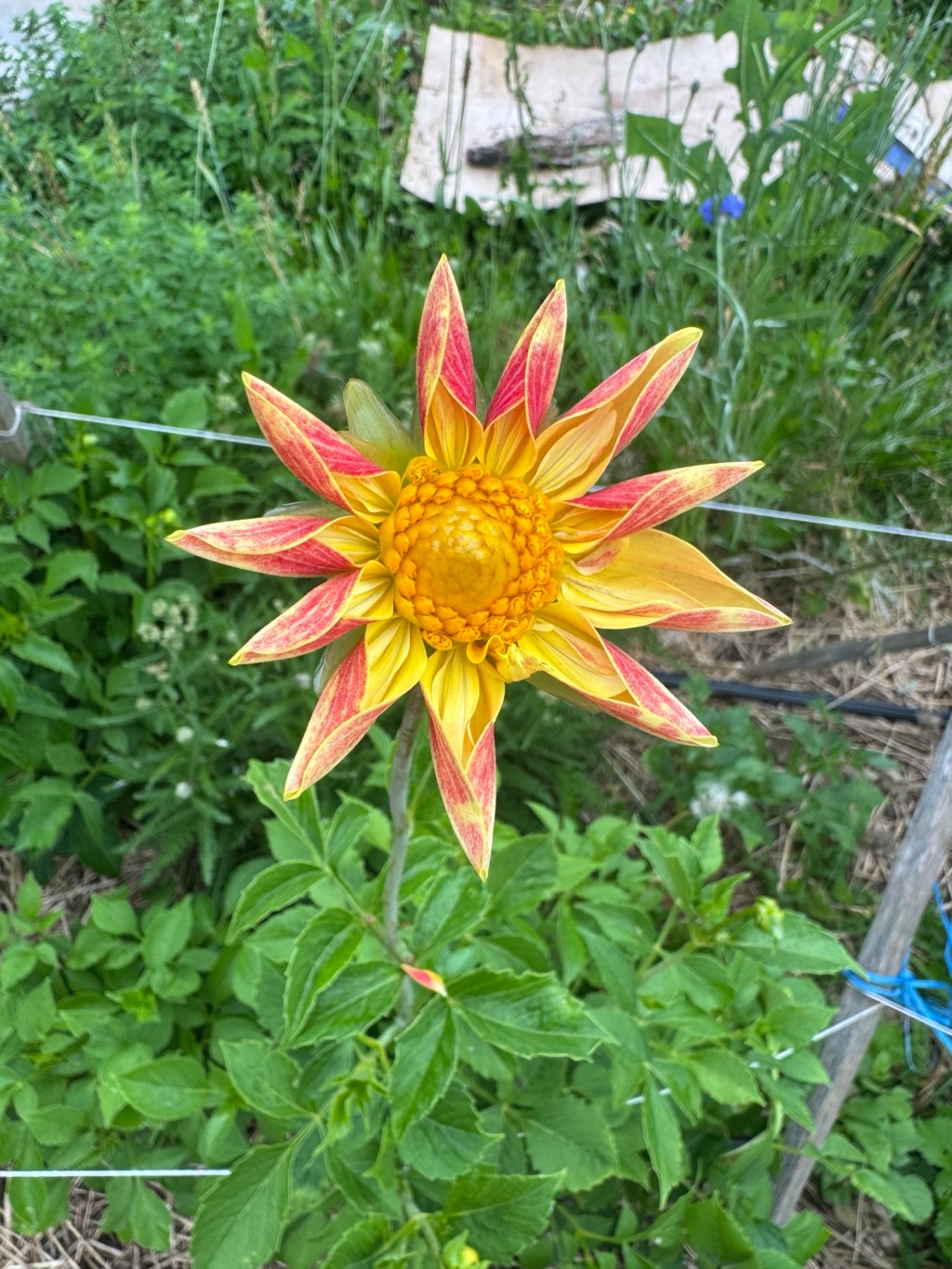
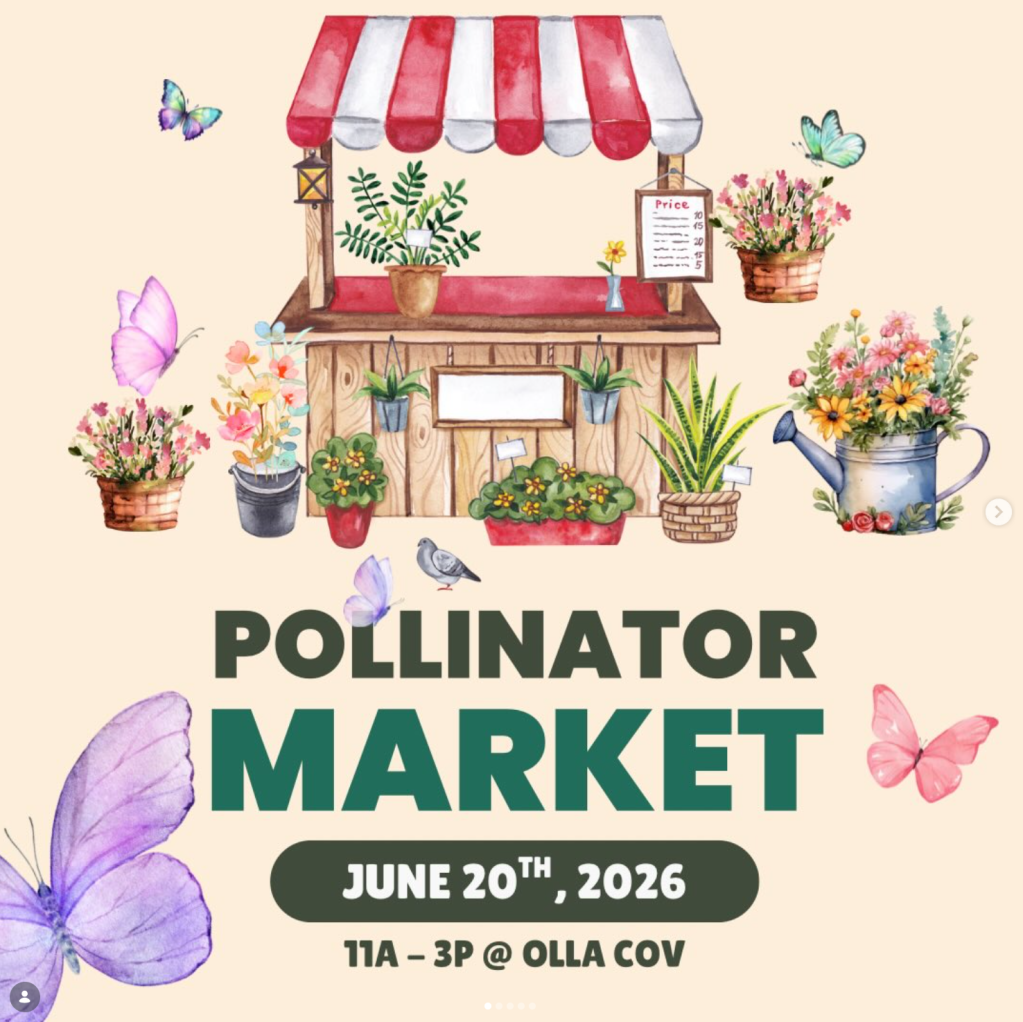
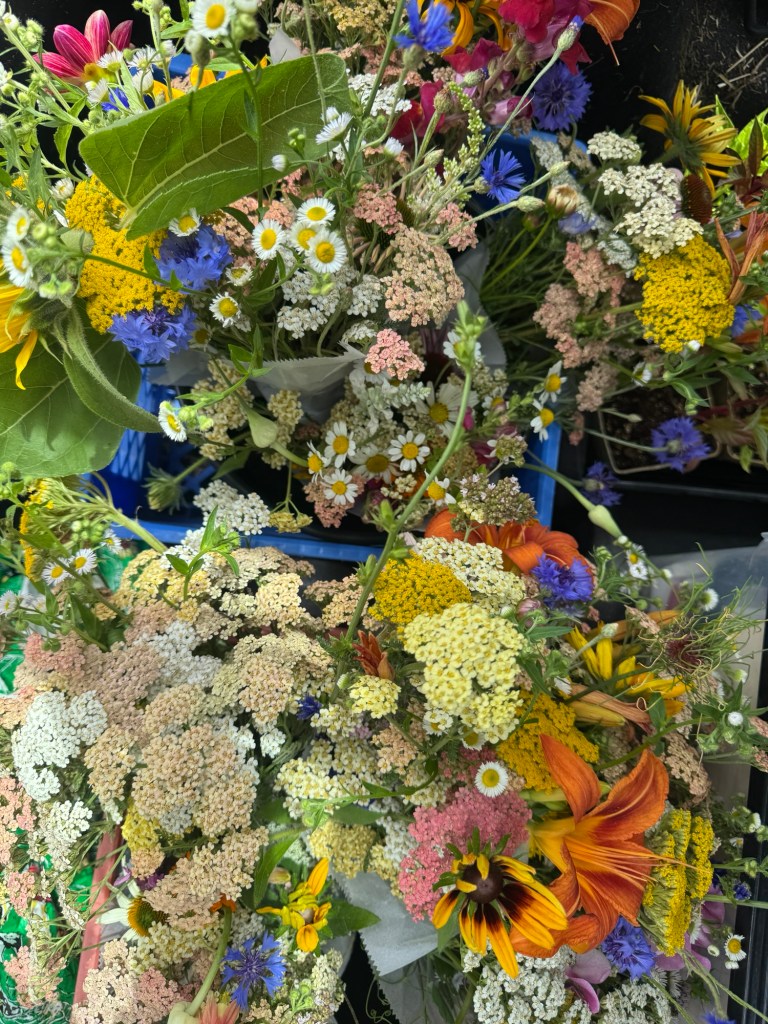
June 20th2026: Find us at Olla, Covington for their second, annual Pollinator Market! We love our Covington connections and are honored to have been asked to vend that day with everyone. We will have some flowers and flower starts for sale!
July 1, 2026: Next email subscriber giveaway drawing!
September 3, 2026: OAK Field Day at Loving Farm where we will be talking about the development of a filter strip along the railroad track in addition to other ways we incorporate conservation on our farm. We will definitely be talking about using native plants in flower design too. It is free to attend and our favorite vegan food cart will be here selling her delicious food. I have a fun document started with a list of things we do here to show you when you come (water catchment, pollinator patch, companion planting, filter strip, and more).Sign up now!
Hi Flowerers!
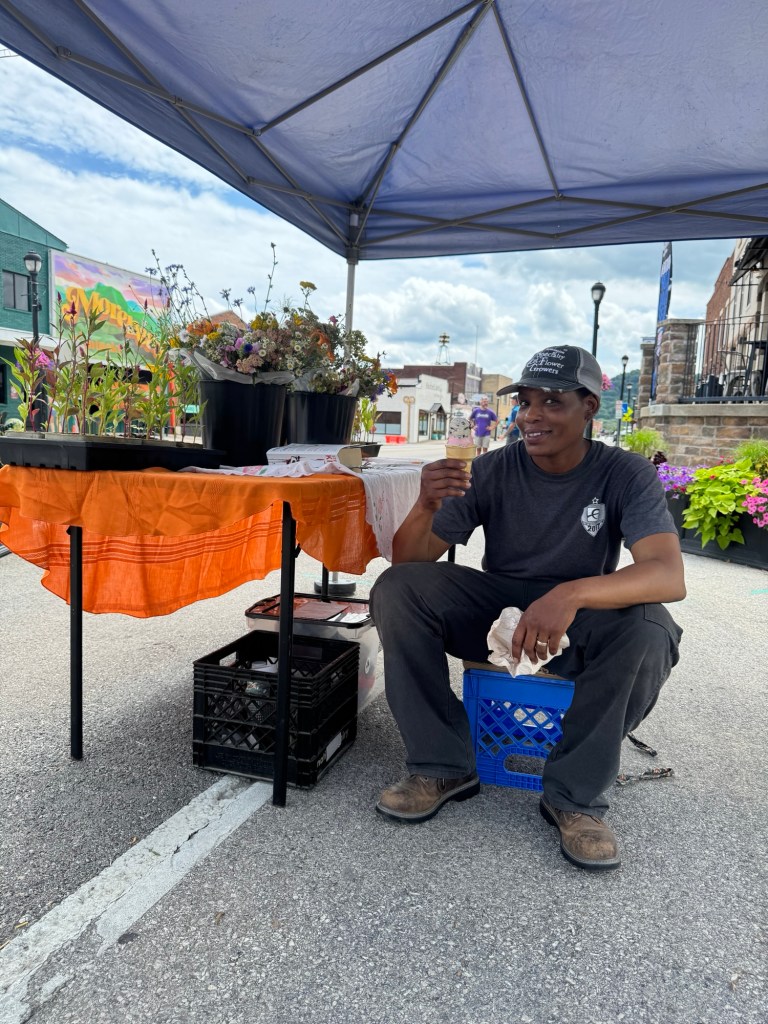
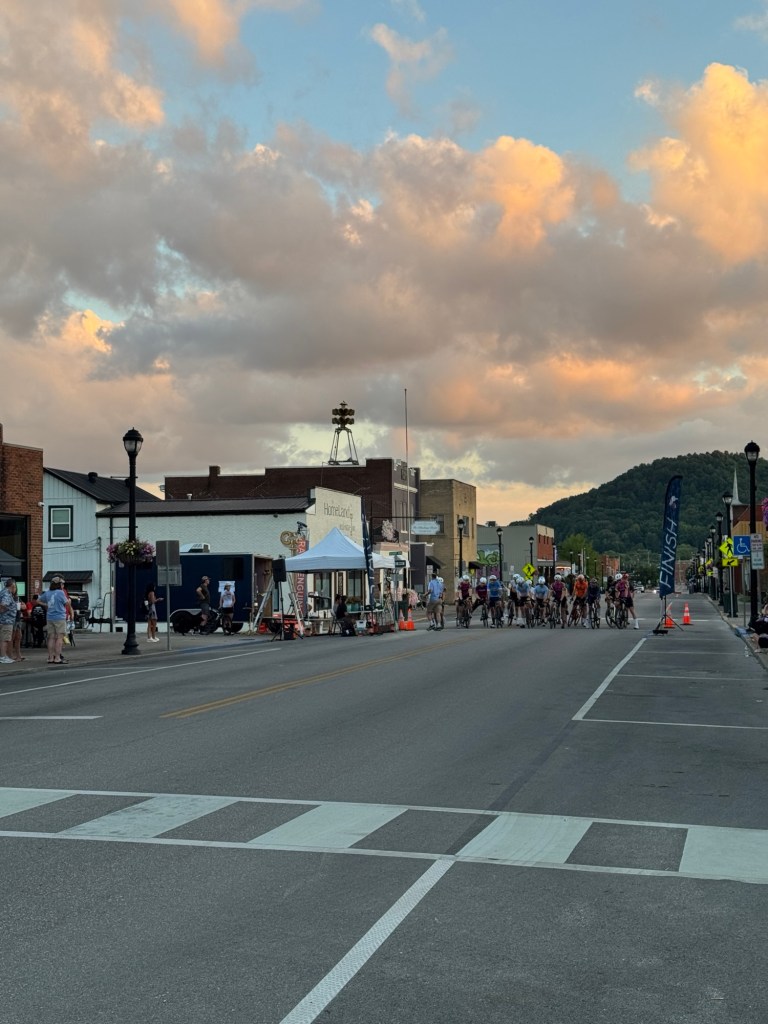
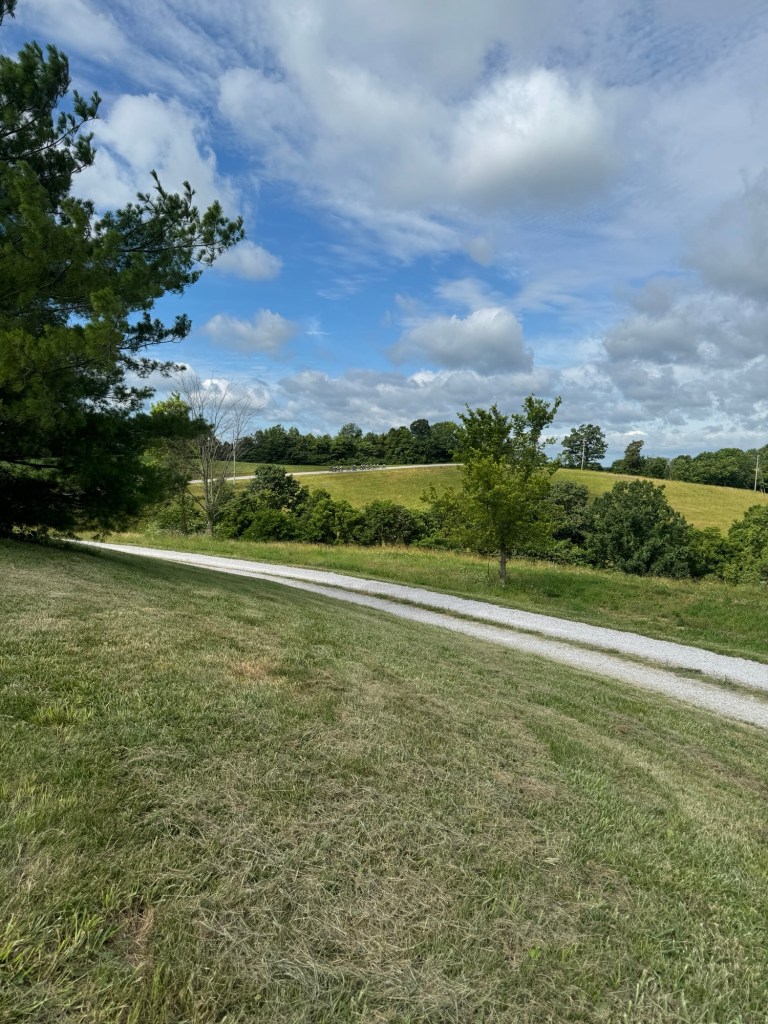
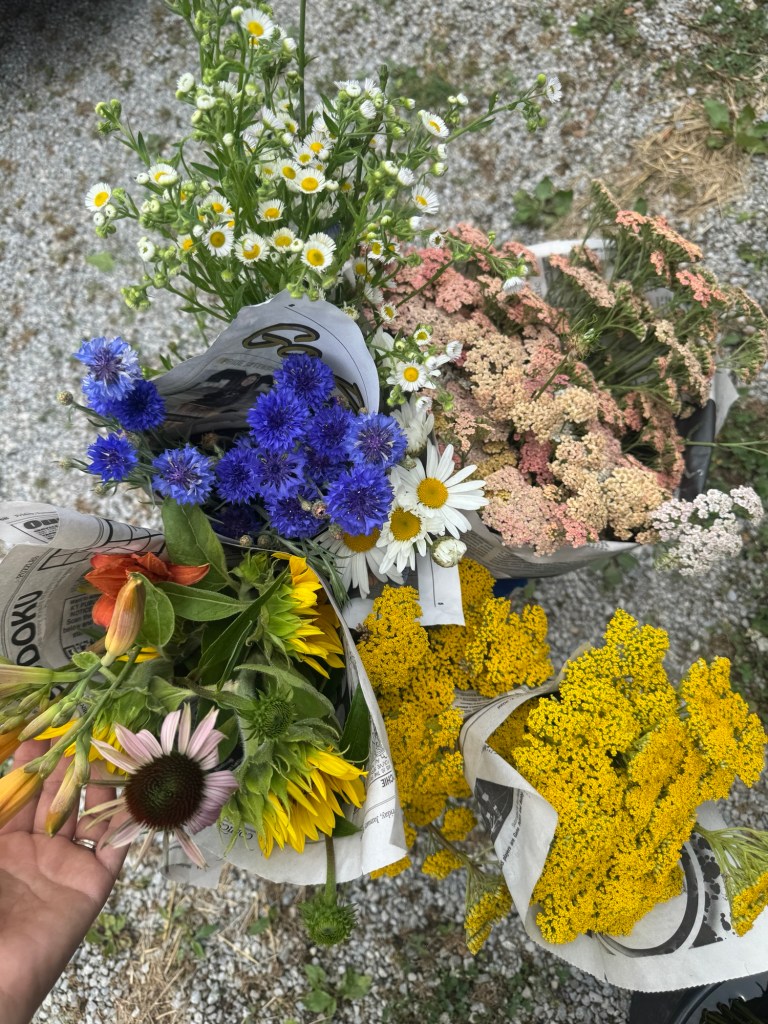
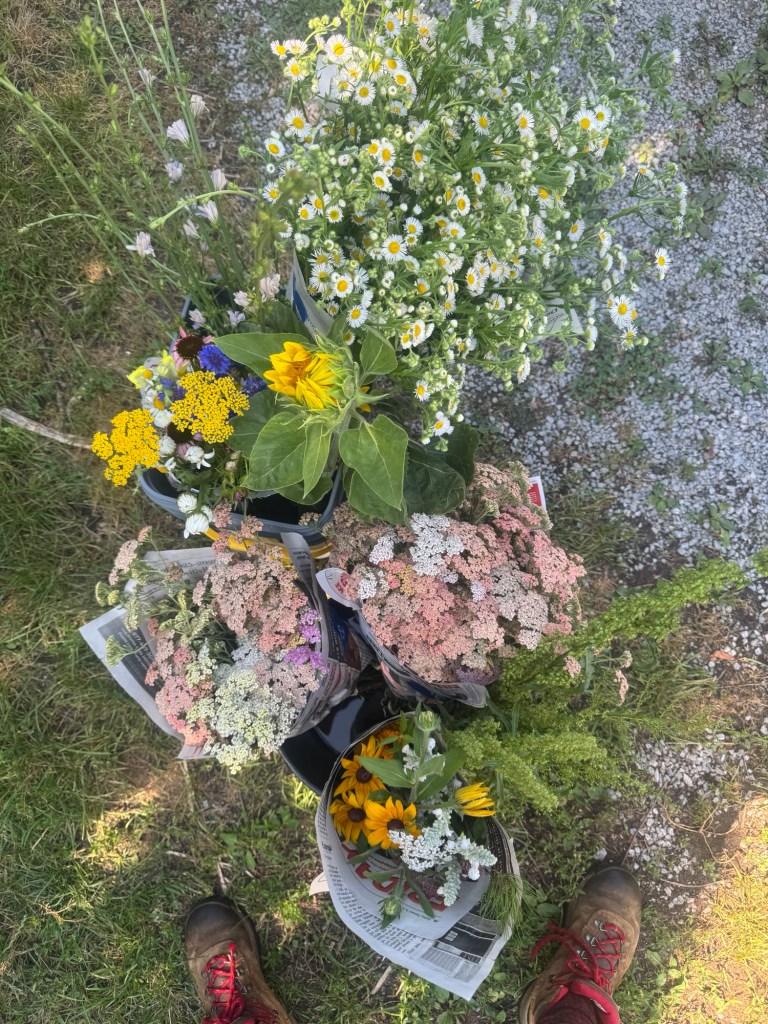
The flowers are rolling in folks! Yes, that was the description on my last post on the social media page too, but there really is not another way to describe it. I could also add that they are ALSO rolling out because of folks like you! We have been flowering non-stop this week (flowering is a verb meaning, growing and harvesting, arranging, and selling flowers ). Flowers were taken to The Kentucky Flower Market, Scarlet Begonia’s and to the Kentucky Open Road Race in Morehead. It was the kind of week that makes us feel like we can do this crazy thing. Thank you. Yes, I worked the local bicycle races this weekend and cannot stress enough what a huge gift they were to our area. As an aside, it is so awesome seeing these being hosted here, with all of these riders and their families who support them coming to little ole Eastern Kentucky. The boost to our local economy is so very much appreciated, not to mention how freaking cool it was to see all of these folks ride the roads of our communities. I am already looking forward to the next ones! Support your local peeps. Thank in advance.
To continue our conservation conversation in light of our upcoming OAK field day in September (have you signed up yet?) let’s look at a few more regenerative practices we implement around here that aim to conserve resources, welcome more wildlife, and ultimately help our crops produce more healthy plants.
The theme of it all revolves native plants. In general, we want to increase the amount of native plants that we have on the farm which we really had a big push for this season so far, between woody perennials we ordered with the payment we received from the NRCS pollinator area establishment agreement and other natives that we purchased from Ironweed Nursery in Waddy, Kentucky.
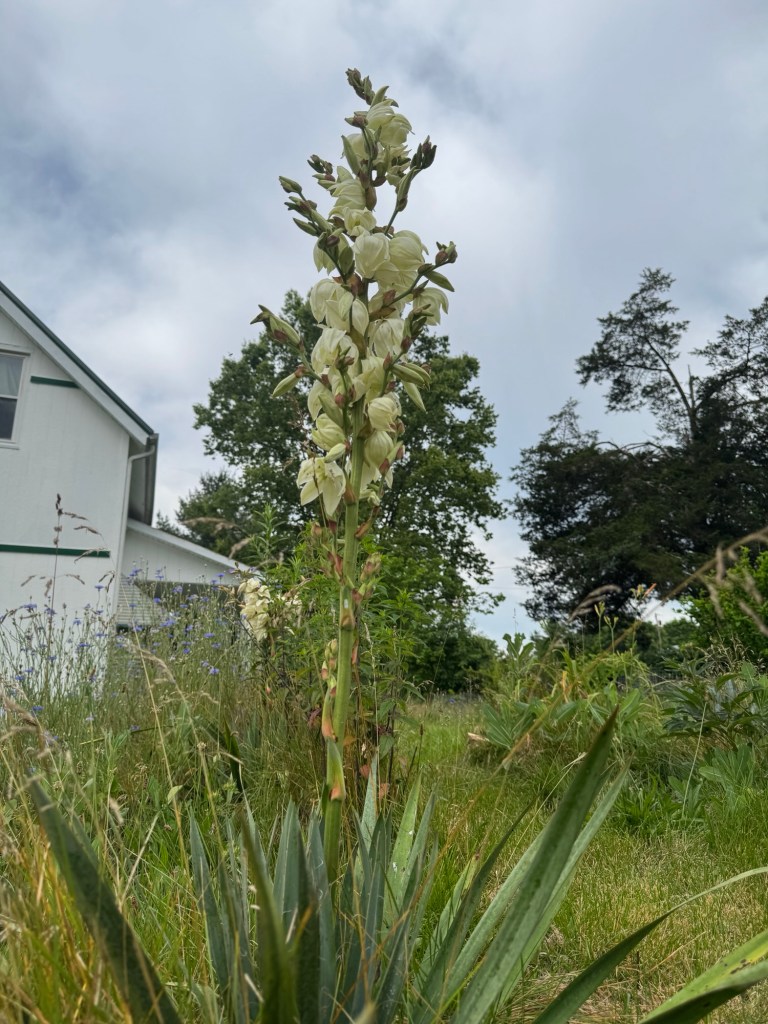
Filter strip along the railroad track: As you probably know already because I blab about it all of the time, we are working on increasing the vegetative buffer along the railroad track side of the farm. Although the tracks are not in use currently, we want to be prepared for the reinstatement of traffic, if it should occur, and have more of a filter in the meantime to catch unwanted herbicide drift from a field up from us, beyond the track. This year alone we have planted hazelnuts, sumac, magnolia, hydrangea and some native grasses. Pink Muhly grass is the one I am most looking forward to. This is our second time trying to establish it.
Buffer along the creek: Perriee took the Eastern Redbuds we received from the Earth Day tree giveaway at our local NRCS office this year and planted a row several feet from the creek. We also try to keep a nice, high, grassy border along the edge of the water to help with erosion control and are trying to plant some mountain mint down there this year that we would love to get established where hemlock was growing. TBD on that one!
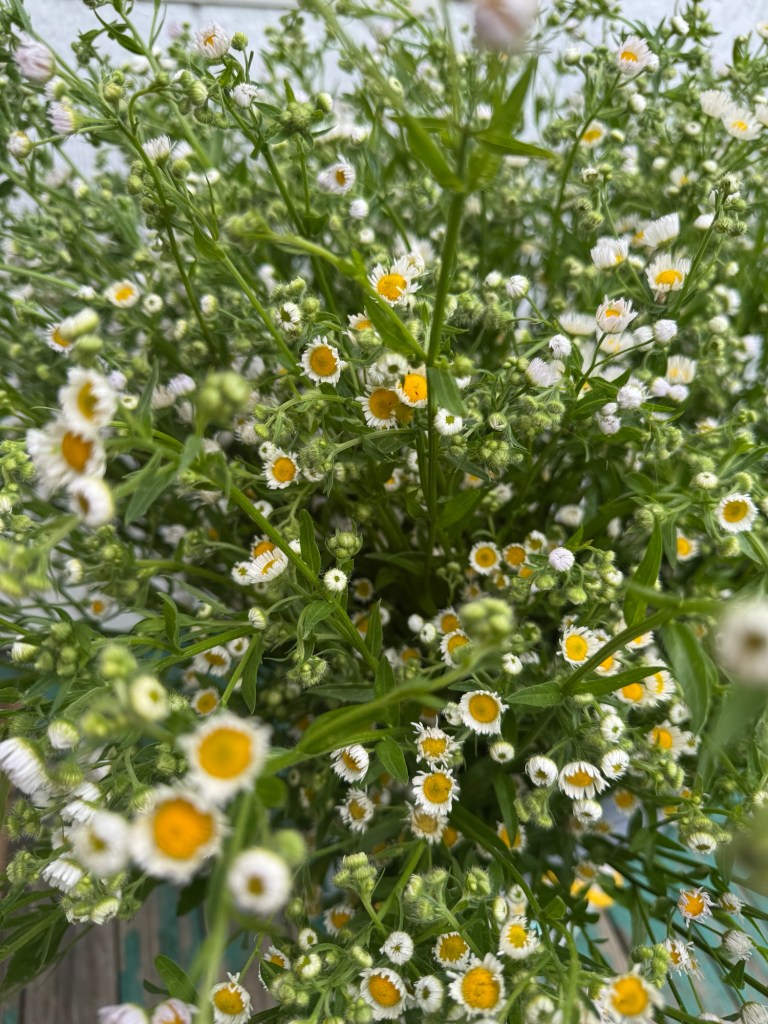
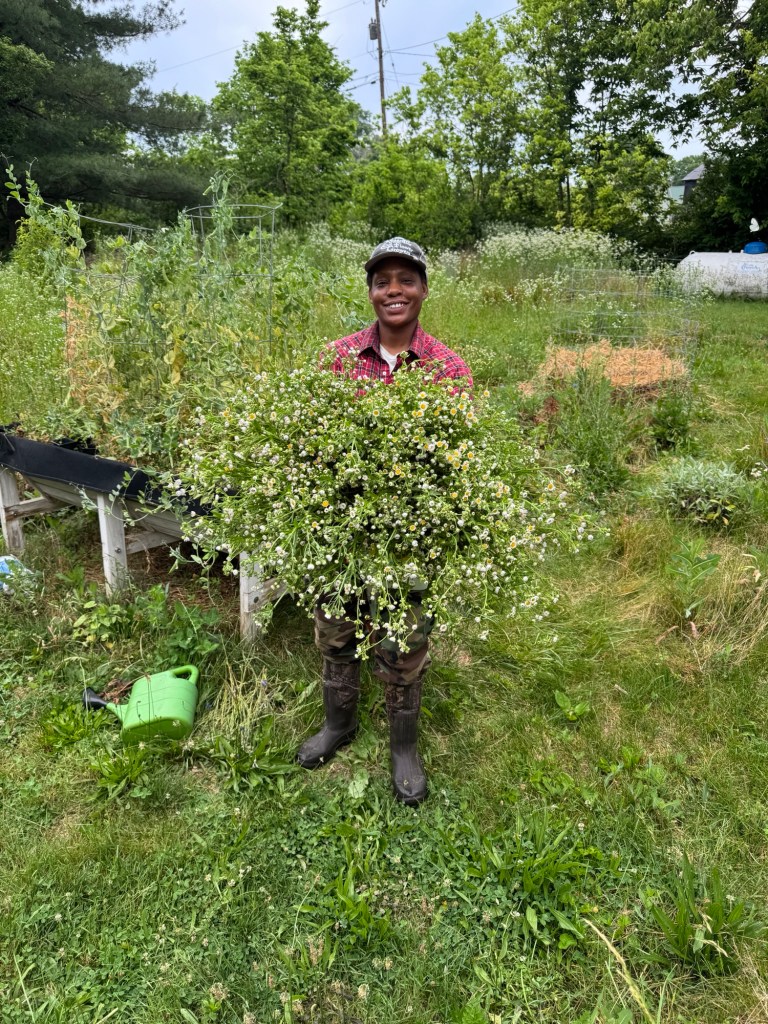
Use of native plants in flower farming: Of course we need to bring is back to flowers! Ultimately the majority of the native plants we chose to plant along the track and creek and every other place are also good to use as cut flowers! The benefits are underestimated since they use sooooo much less water to grow (like, whatever the Mother is offering is enough) and just quietly provide without any fanfare at all. Of course the water loving dahlias and other summer annuals are stunning and we will probably always grow them to some extent, but those native perennials just provide. We will be increasing their presence here for sure.
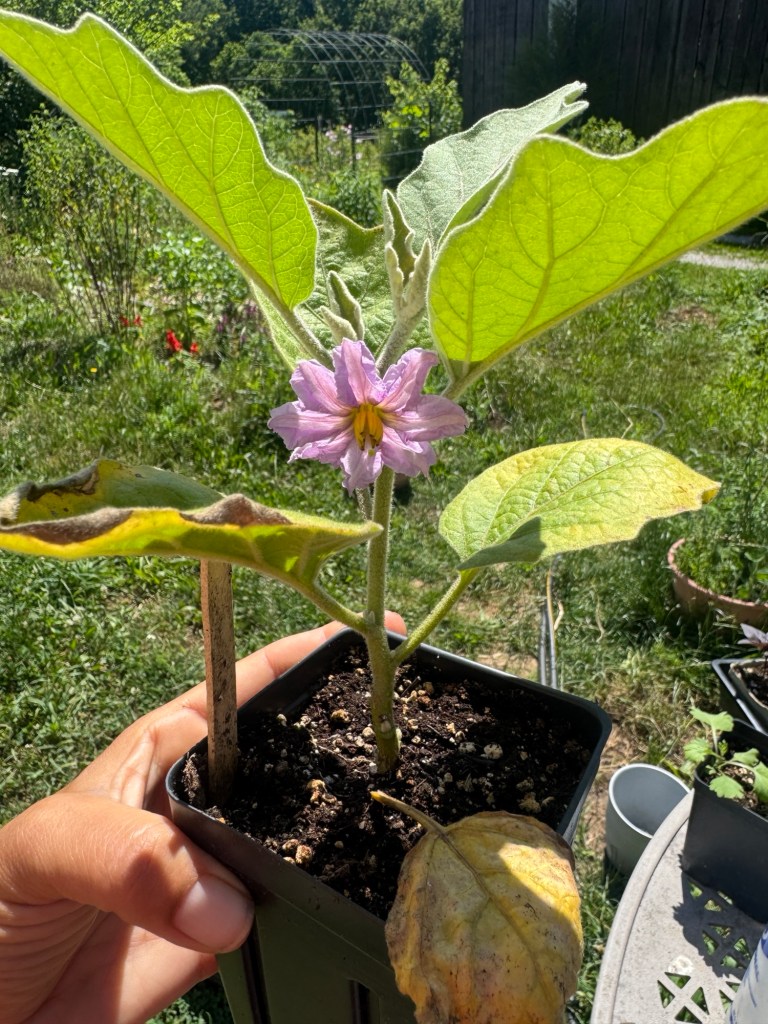
Companion planting: Finally, on an unrelated note, we try to use companion planting as a way to assist with pest management. For example, we interplanted eggplants with turnips and dill to help with the flea beetles and you can really see it working. Garlic, yarrow, and strawberries are supposed to work well as a team, so we have them all planted up together too. One of our favorites is evening primrose, which is the BEST Japanese beetle trap plant (meaning, they will flock to it and eat it up) that we ever found. We just knock the beetles off of it into a water bucket for the ducks to snack on. They love them so much that once the insects arrive, they even know to go the plant to see if they can find a treat to munch on.
Critters: Everyone ended the week strong! Max had a funky eye thing again that we were able to treat with some tricks and treats. The ducks had a nice stash of eggs under their house that we discovered. Howard might have dumped his drake feather so we might be able to let him be more integrated with the ladies soon. Keep your wings crossed!
 Loving Farm