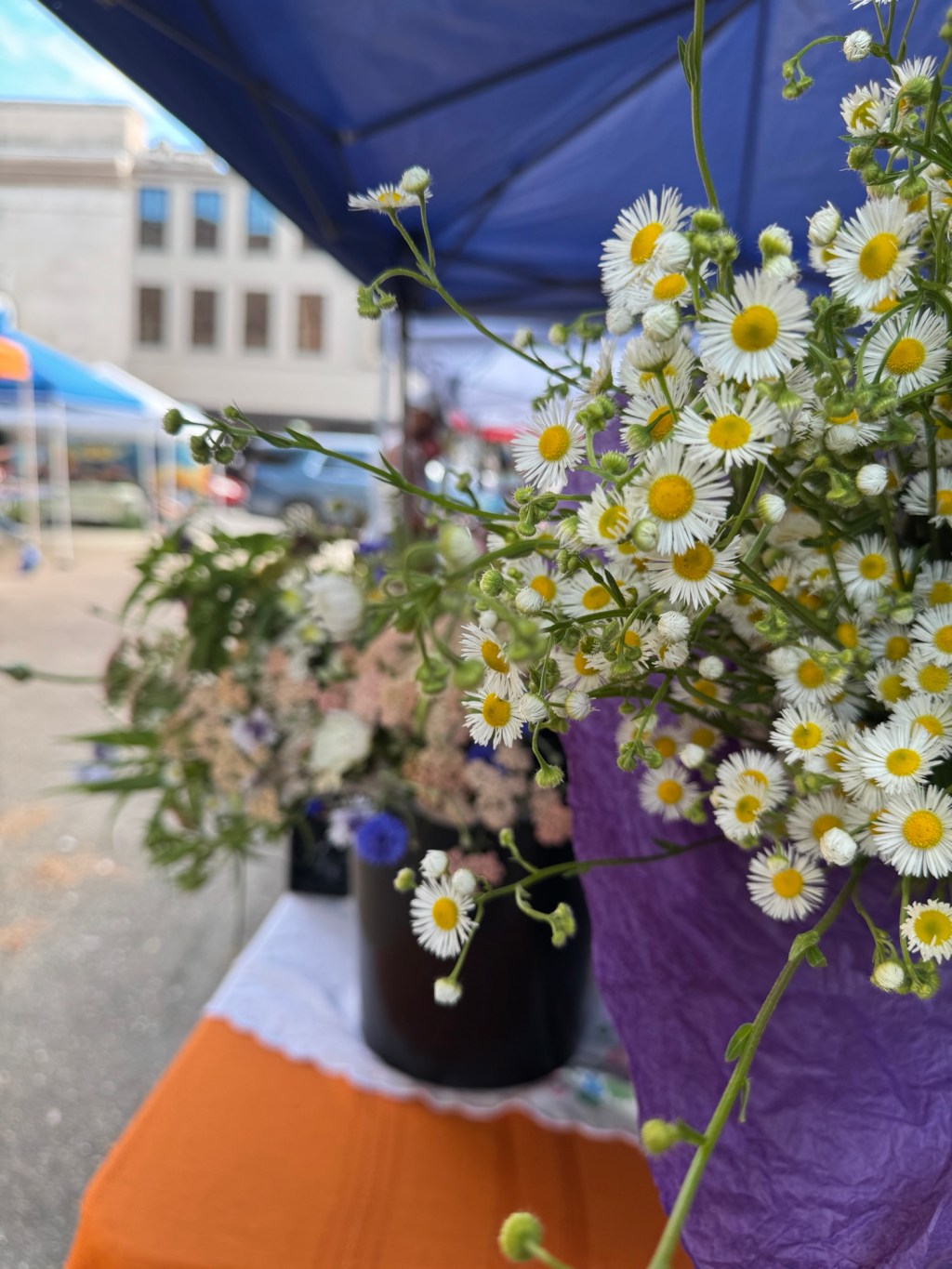
June 12th 2026: Come watch a super cool bike race from Sawstone Brewery and peruse the vendors, including Loving Farm (Perriee will be holding it down solo you while I work the race)! Click for details!
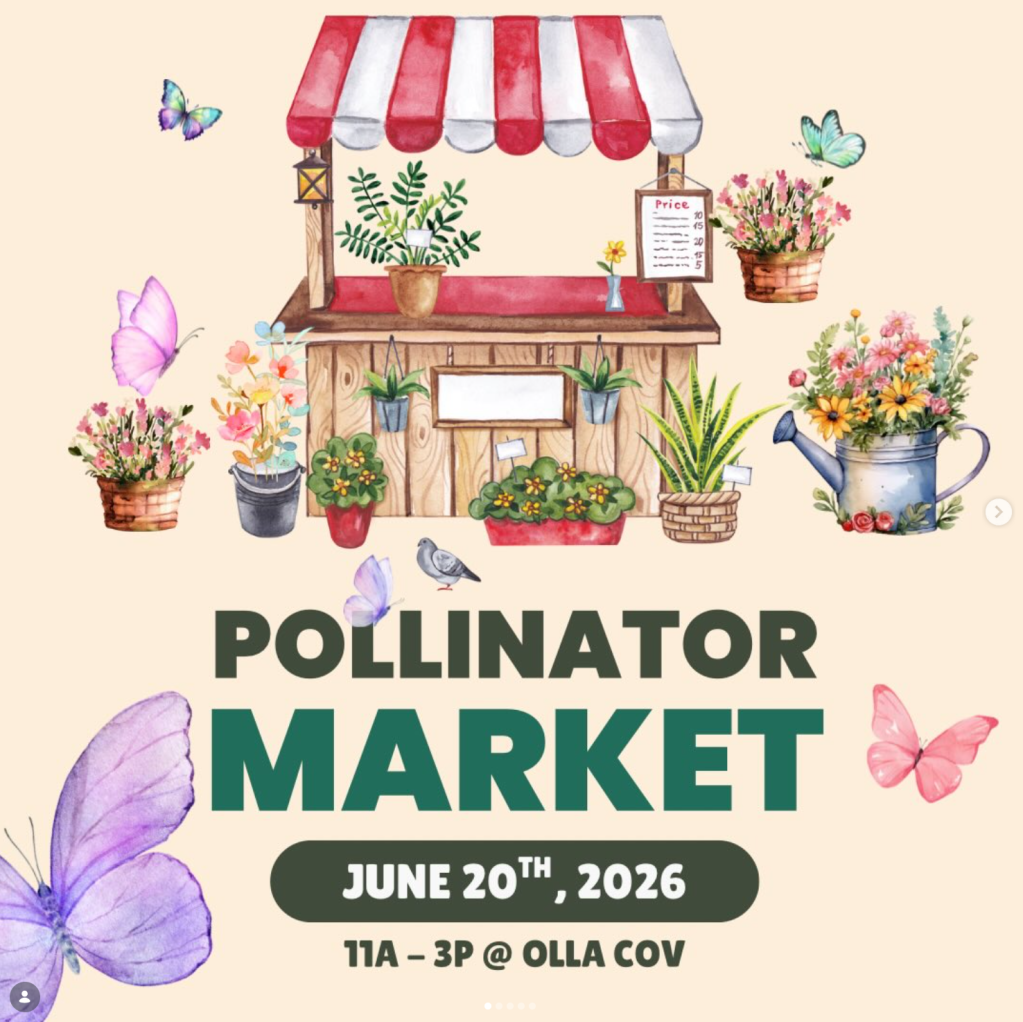
June 20th 2026: Find us at Olla, Covington for their second, annual Pollinator Market! We love our Covington connections and are honored to have been asked to vend that day with everyone. We will have some flowers and flower starts for sale!
July 1, 2026: Next email subscriber giveaway drawing!
September 3, 2026: OAK Field Day at Loving Farm where we will be talking about the development of a filter strip along the railroad track in addition to other ways we incorporate conservation on our farm. We will definitely be talking about using native plants in flower design too. It is free to attend and our favorite vegan food cart will be here selling her delicious food. I have a fun document started with a list of things we do here to show you when you come (water catchment, pollinator patch, companion planting, filter strip, and more). Sign up now!
Hi Flowerers!
I would have to say the big highlight of the week was having our site visit for our September 3rd Organic Association of Kentucky (OAK) field day. To hit the important, sort of boring points first, I really hope everyone who wants to come signs up. It is completely free to attend. We learned that when you click the sign-up link, you do need to create a free account with OAK and there are a bunch of demographic questions they collect answers to, which helps them keep track of the areas of the state they are getting good reach in and identify gaps in who is coming (not coming) to their events. You can browse the whole list of upcoming field days, ours of which is going to be one of the last in the season.
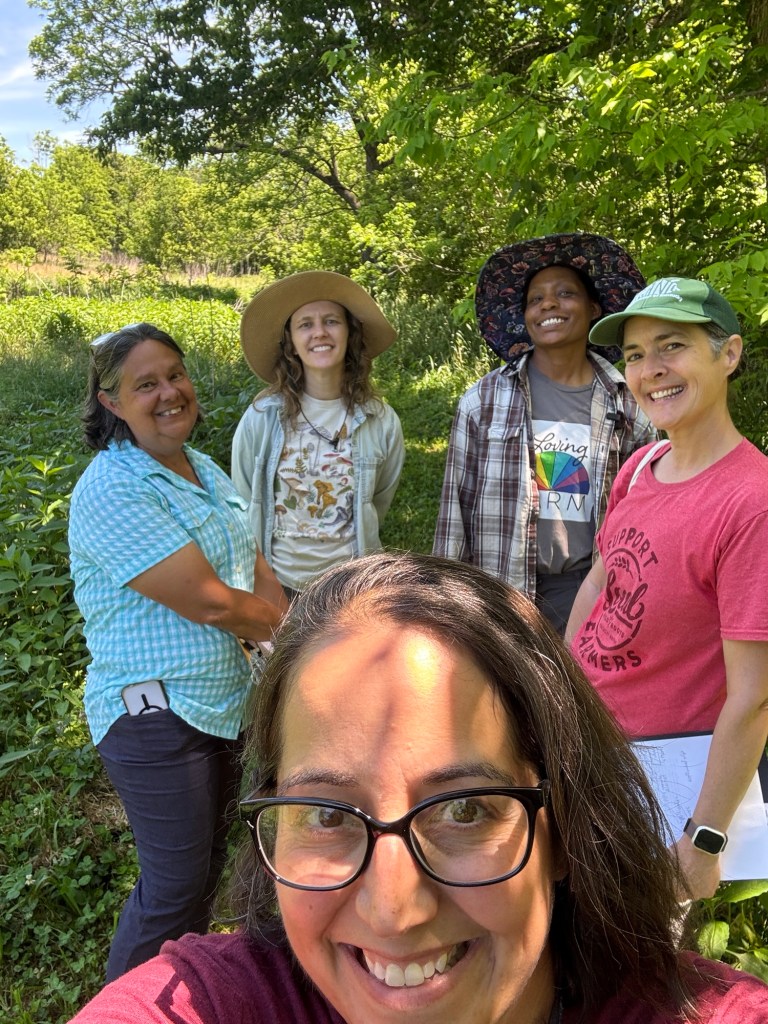
The theme of our field day is “Creativity in Conservation” so in advance of their visit here last week, I drafted a list of ways that we implement conservation here at our farm. Before looking at the list, I thought it would be good to define a few terms that we use a lot in the organic farming circles: conservation, sustainability, and regenerative.
Quoting Merriam- Webster (for the love, folks, please don’t just rely on the result from your internet searches as the definitive answer. You MUST look at the sources directly. Just heard that 80% of searches begin and end on the search page), conservation is a careful preservation and protection of something; planned management of a natural resource to prevent exploitation, destruction, or neglect. Sustainability is a method of harvesting or using a resource so that the resource is not depleted or permanently damaged. Regenerative is better defined with regenerate, which means, formed or created again; restored to a better, higher, or more worthy state.
Here is a sentence that feels like I am in elementary school again, putting it all together: At Loving Farm, our focus on conservation always starts with sustainability, with the ultimate goal of regenerating the land we care for to help it reach the highest potential possible while we reside here. Doing so not only helps the wildlife, and soil and water sources that we adjoin, but will also improve our yields and reduce our efforts to keep this farm running at a modest pace over time. It is a win-win.
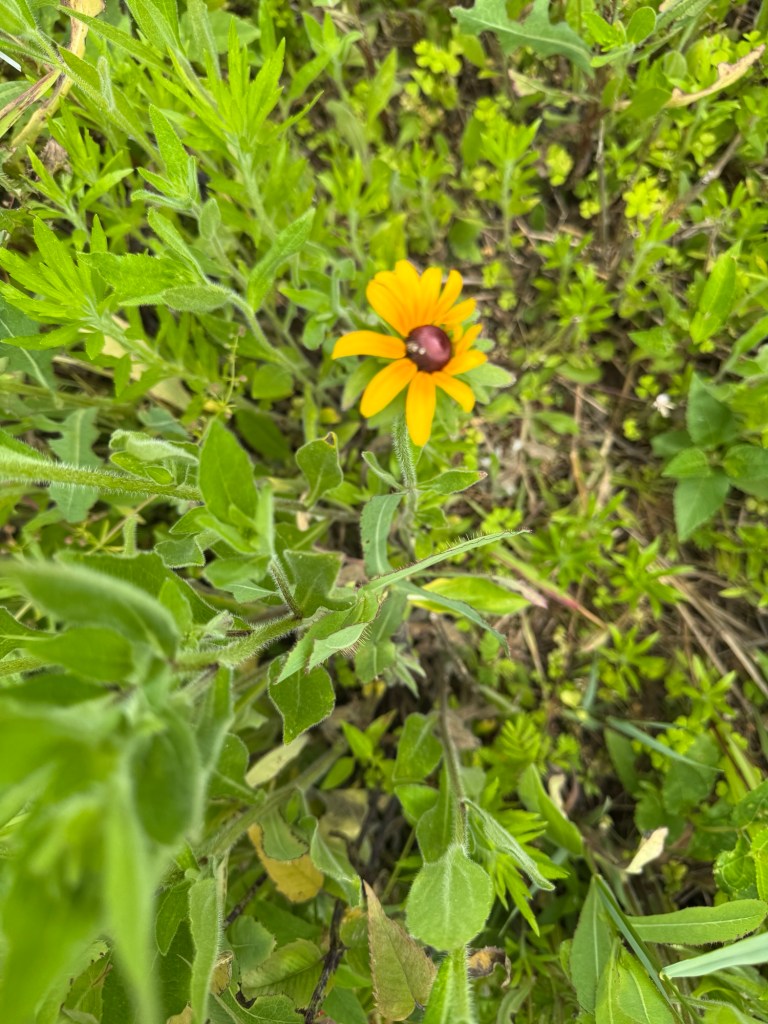
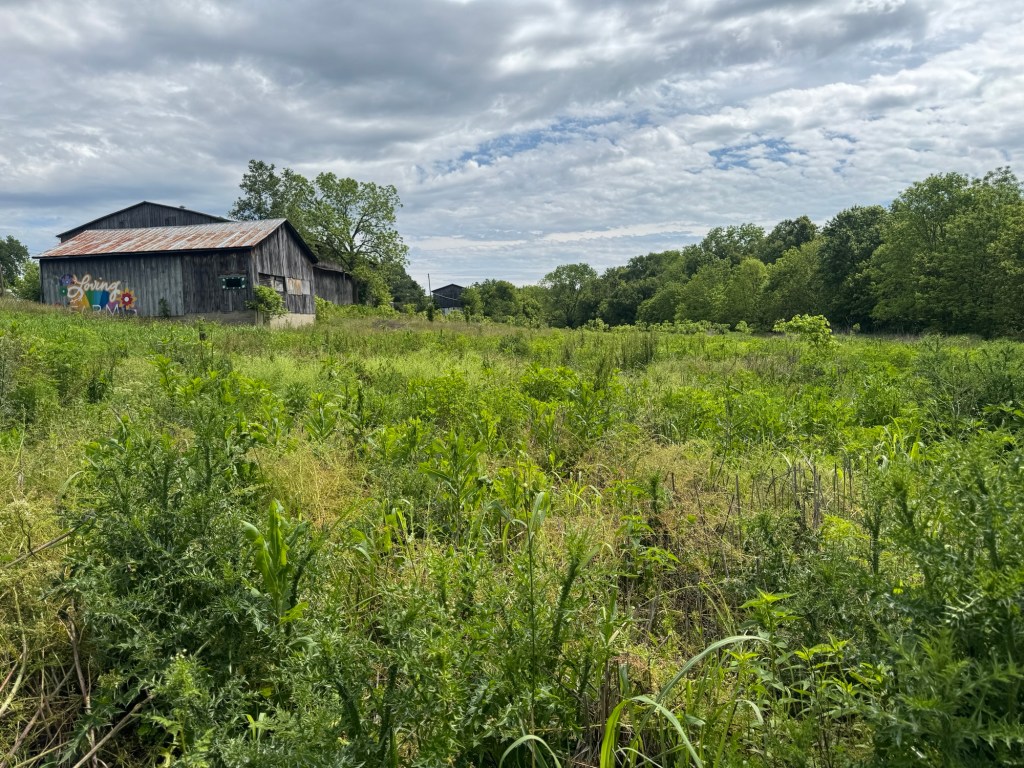
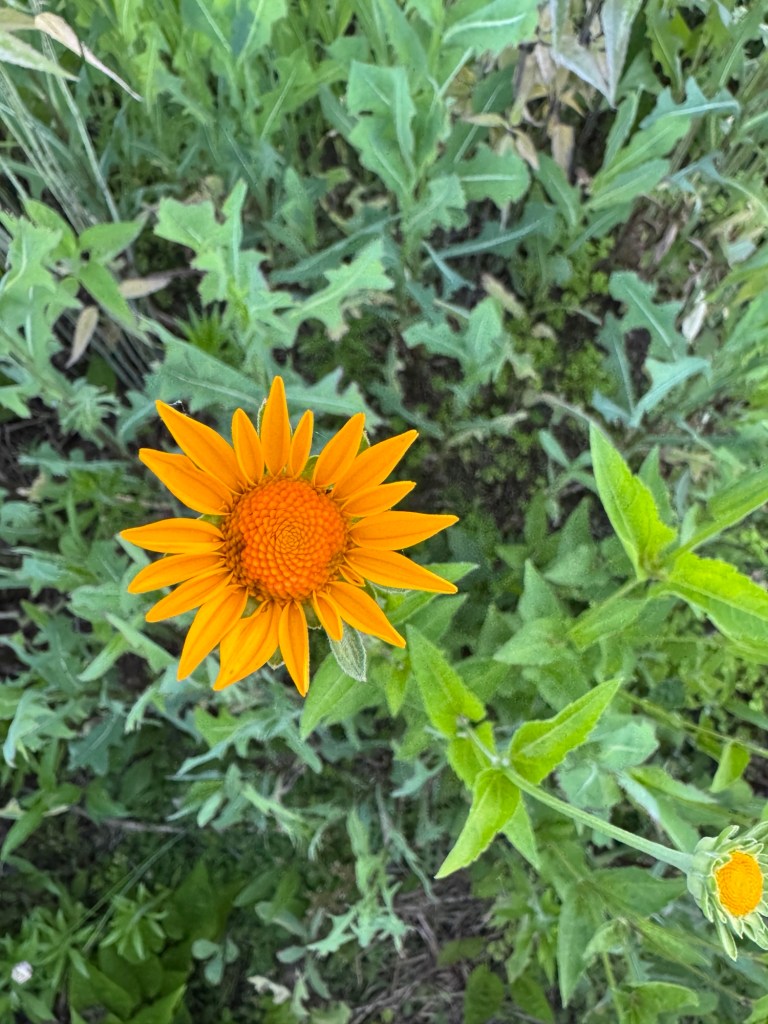
Pollinator patch through the CSP program: We have been spending about 45 minutes per evening up there in the last week cutting down johnson grass and wild lettuce to make room for all of the amazing natives that are about to explode in bloom! There are so many buds of rudbeckia, echinacea and false sunflower and I think I have identified some big blue stem as well! We are really proud of how it is progressing. The bergamot is absolutely prolific up there. We even threw some more seed up there in some of the bald spots.
Rain water catchment tanks: These have been a game changer in terms of getting water to hard to reach spots around the farm. We use one of the tanks to water all the way down in the bottom from the big deck where we have a big vegetable patch. Recently, we purchased a pump which can be used to water the cultivated flower field as well. It is pretty amazing!
Cover cropping: Our favorites are winter wheat and crimson clover for the cool seasons and buckwheat for the hot times. It has been so helpful in maintaining the beds in the off seasons and feels easier and easier each time we prep them for planting.
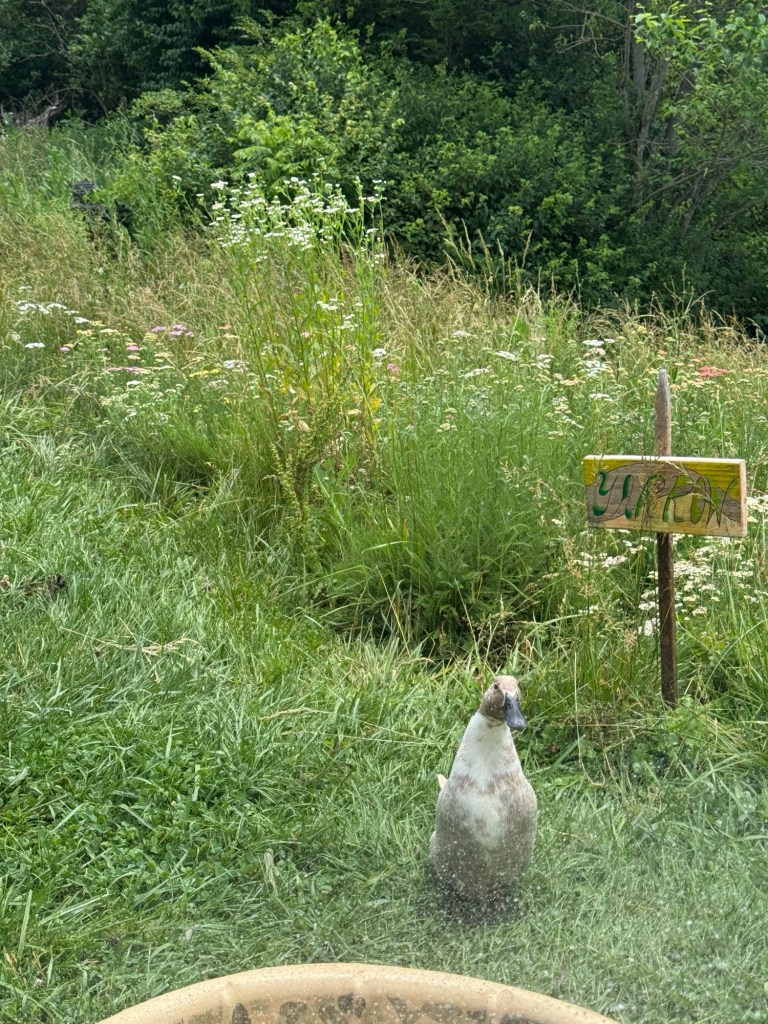
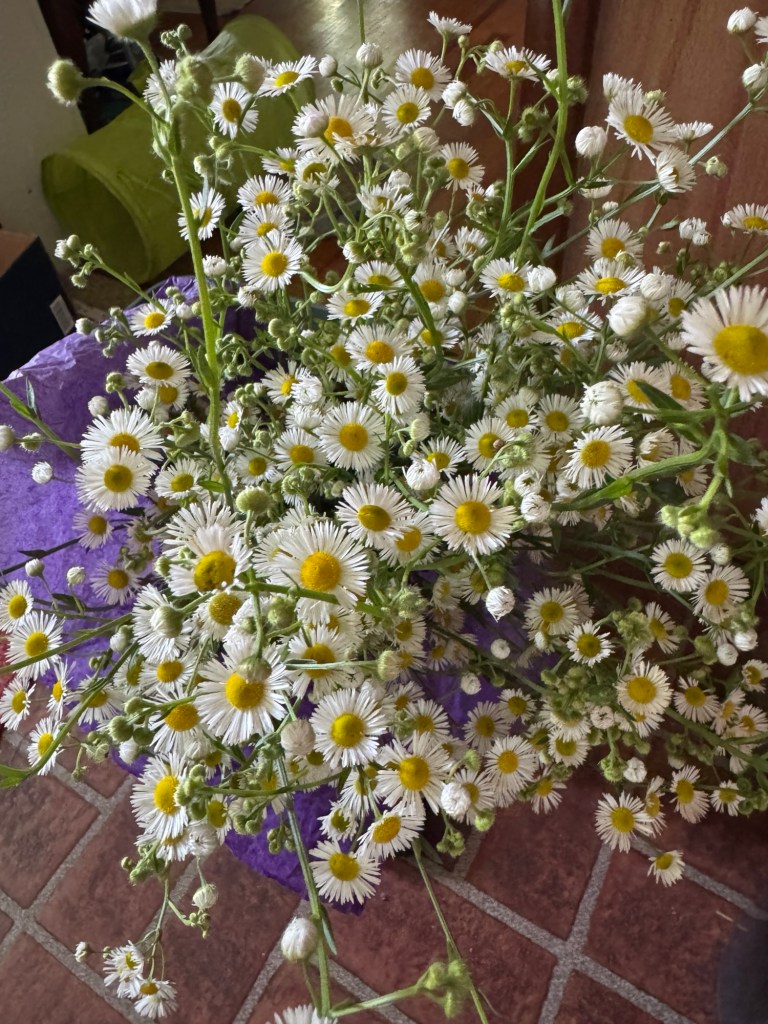
Low input: Since we stopped having the whole bottom mowed we only mow the pathways for walking. There has been huge return of native plants down there which is just amazing. Sunchoke, goldenrod, ironweed, jewel weed, flebane, aster (mostly the white one) are abundant now! Our lack of budget for large and expensive equipment like a zero turn mower or a tractor has pushed us to take a different approach to land management which saves us money, time and fuel. We have only ever tilled the pollinator patch as part of the NRCS agreement and are so excited about how far our soil has come since we started farming here in 2021 using no-till-no-chemical methods.
Invasive species management: When poison hemlock grows, we try to at least cut it back as soon as it flowers, if not sooner. I swear we have had a huge reduction in the prevalence since we started that. Prevention of seeds forming is key. Other invasives we try to manage as much as possible are, honeysuckle, garlic mustard, curly dock, wild lettuce, winter creeper (makes a great flower crown/wreath base), kudzu, johnson grass and probably a few others. I have an untested theory that if we all put forth a little bit of effort in managing these species manually (with mowers and loppers and shovels) that we could make a huge dent in the problem collectively, without needing to spray herbicies (which are often not even applied in a way to effectively solve the problem).
Stay tuned for part two of our conservation conversation and come hear about it in person on September 3!
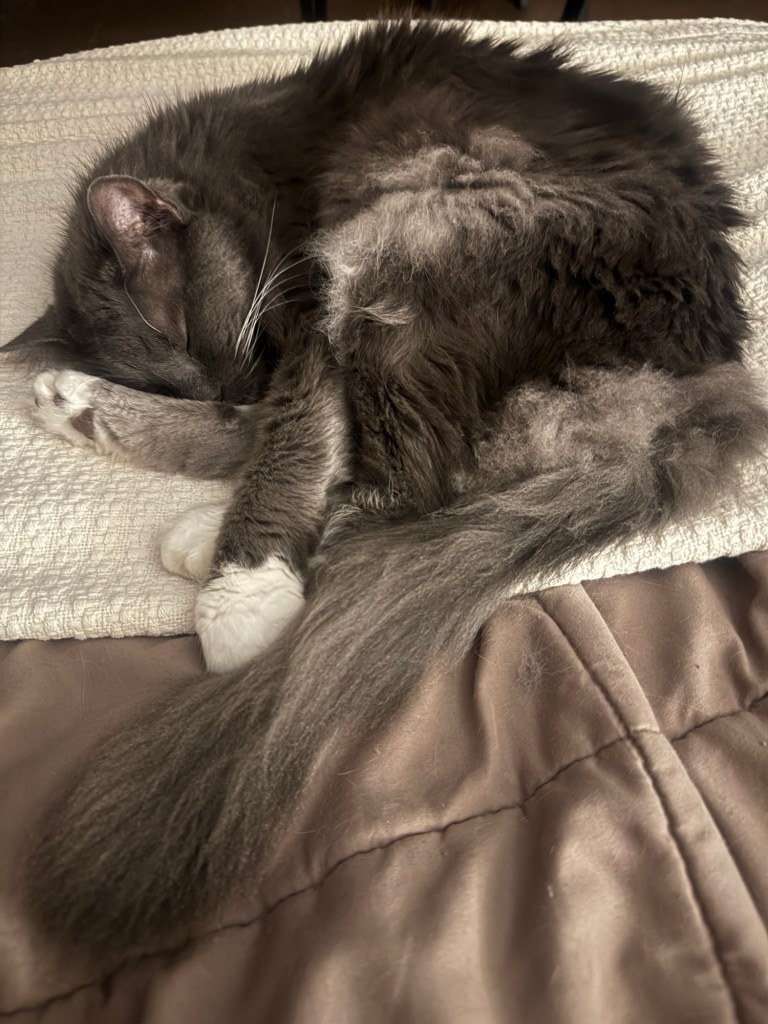
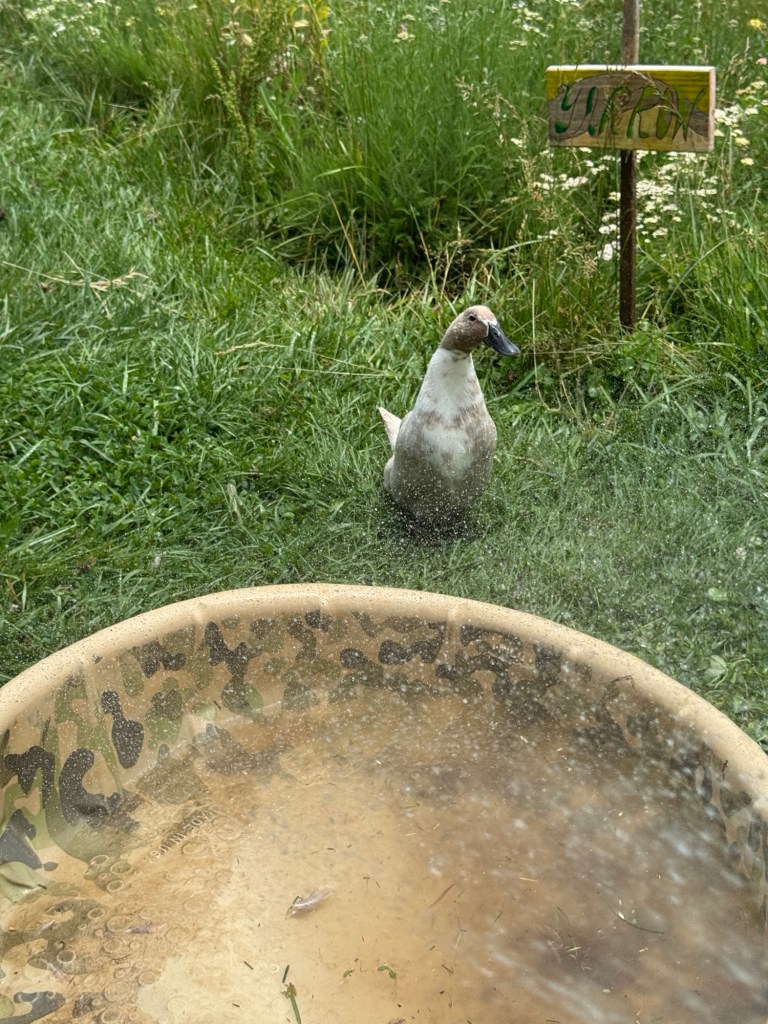
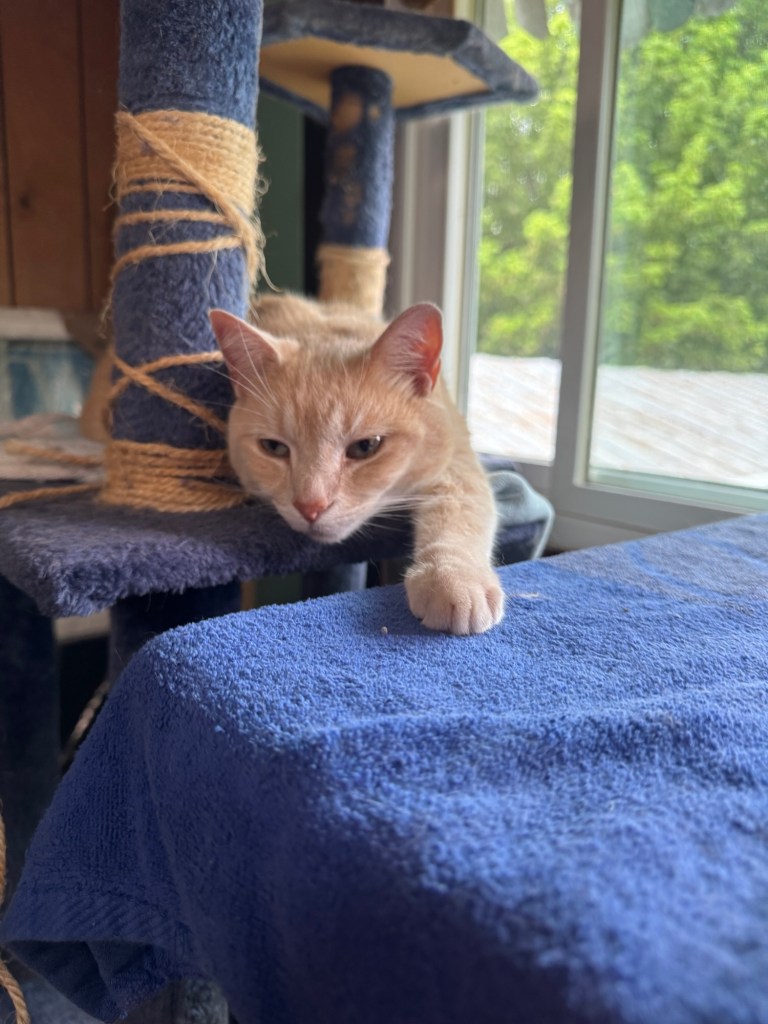
Pride and flock update: We hung up some extra shade cloth for Howard and it is officially frozen pea season. Baby loves the hose shower the most! Dayz has insisted on hanging out on Howard’s side of the run a couple of days this week to sit on a nest in their little dog house until she gets bored with it. The cats are melting into puddles. All of a sudden it is hotter than Hades but they are all getting along ok.
 Loving Farm